The problem
Kharkiv is hit every night. Glide bombs during the day, Shaheds at night, it never ends. State Emergency Services exist, but they're stretched thin and often lacking resources. The gap between a strike hitting and a victim receiving competent care, is where lives are saved.
The solution
Resources ERT is the team that fills a critical need. Volunteer medics, with barely any funding. No state backup, no insurance, but also act with no hesitation: 487 operational deployments in 2025.
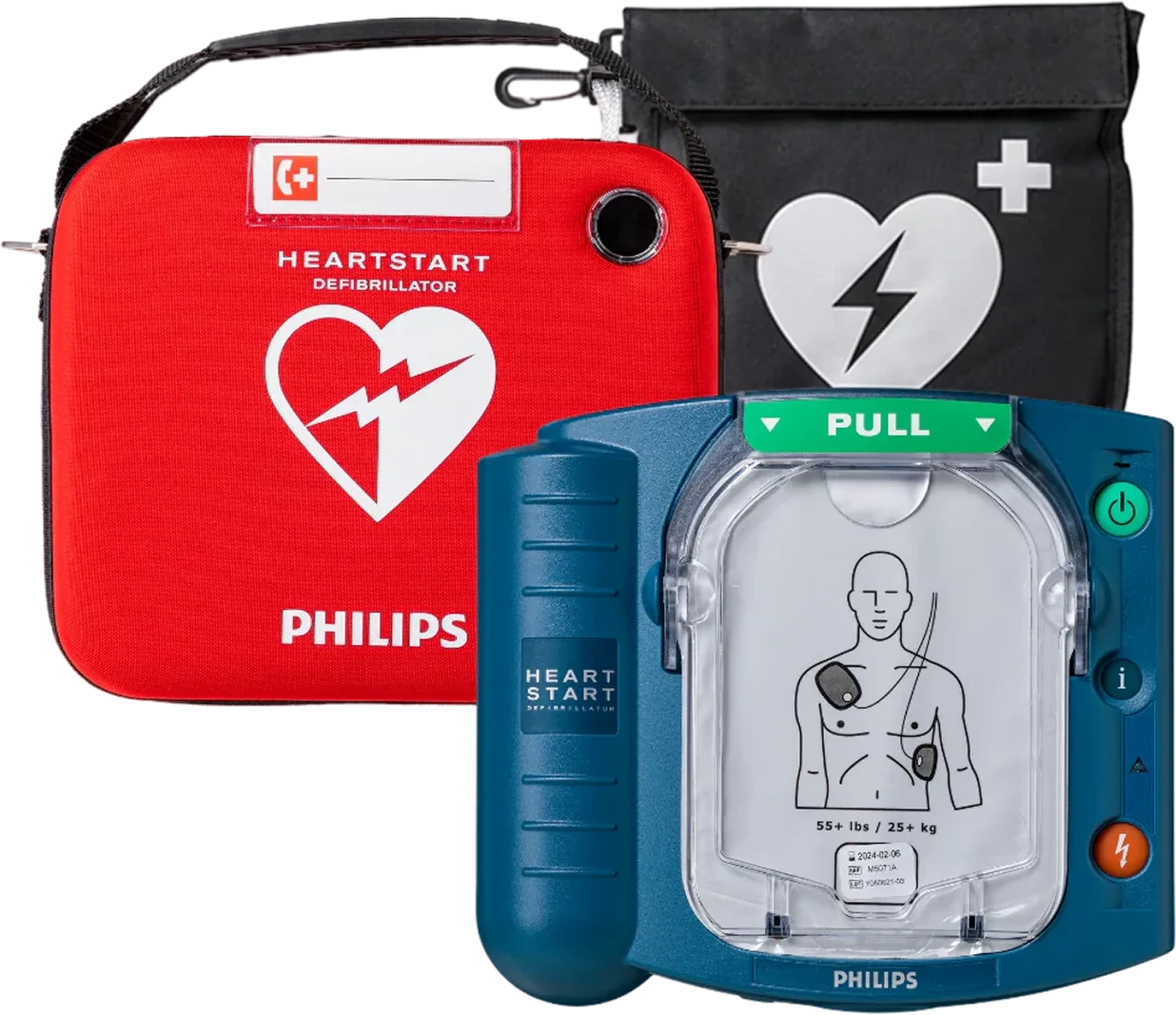
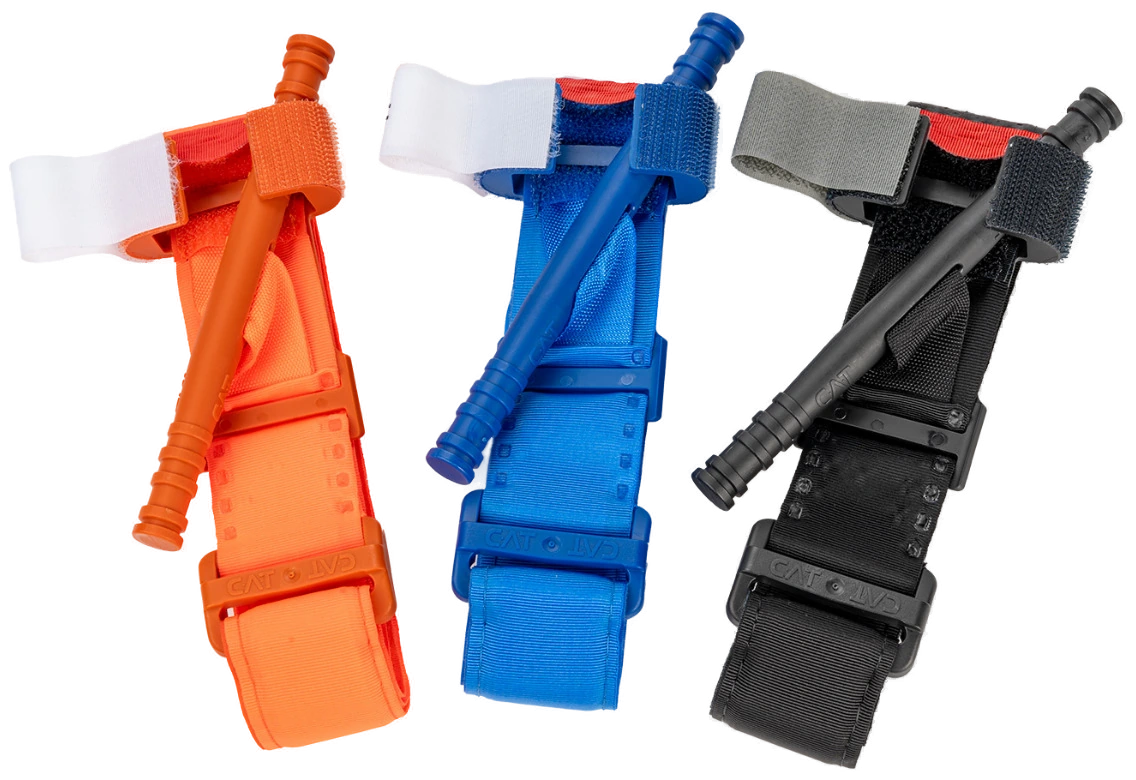
The first minutes are critical. Tourniquet, Chest seals, Portable AED on hand and the list goes on. What the team carries when they roll determines whether the next casualty is a survivor or a statistic. This campaign is about that first minute — Zero Minute — and some of the standard kit that's supposed to live in every ERT response vehicle.
- 487 deployments in 2025
- ~90% of Kharkiv strike responses attended
- First minutes require paramedic skillset
What we need today
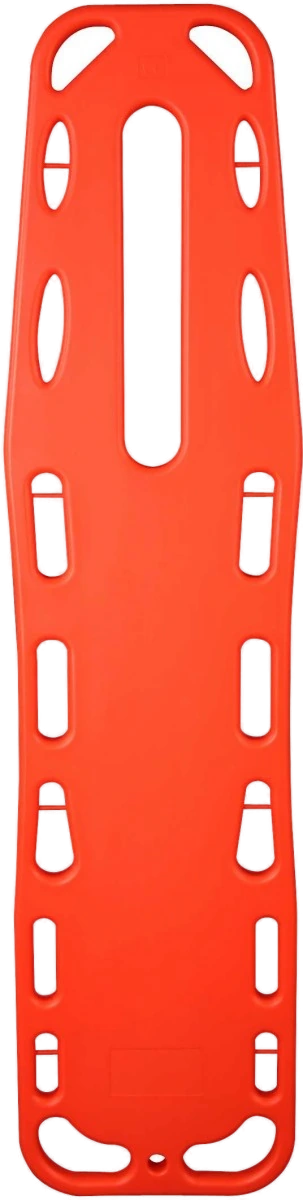
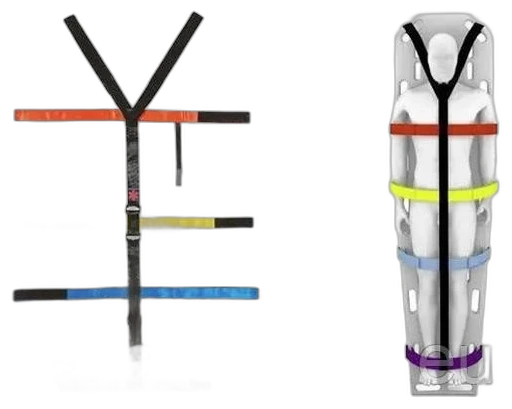
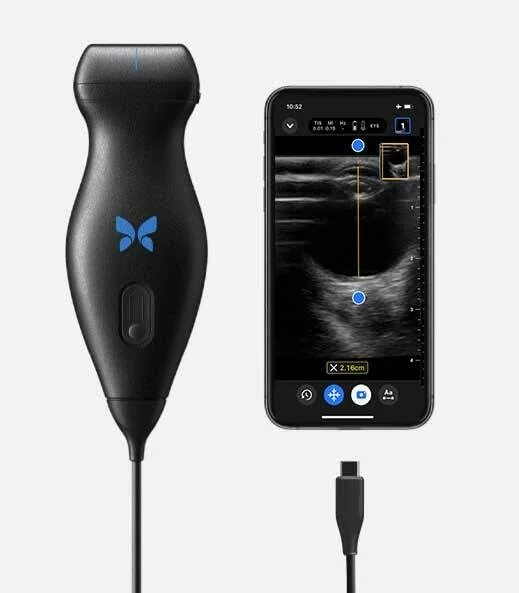
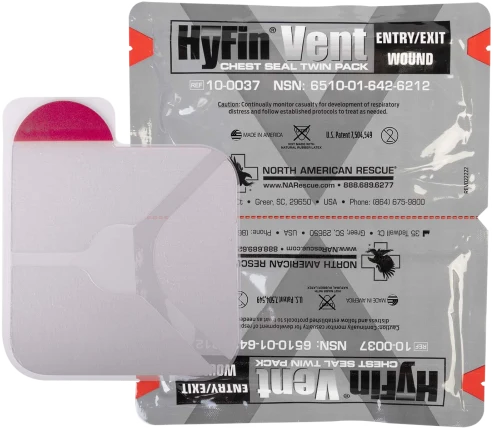
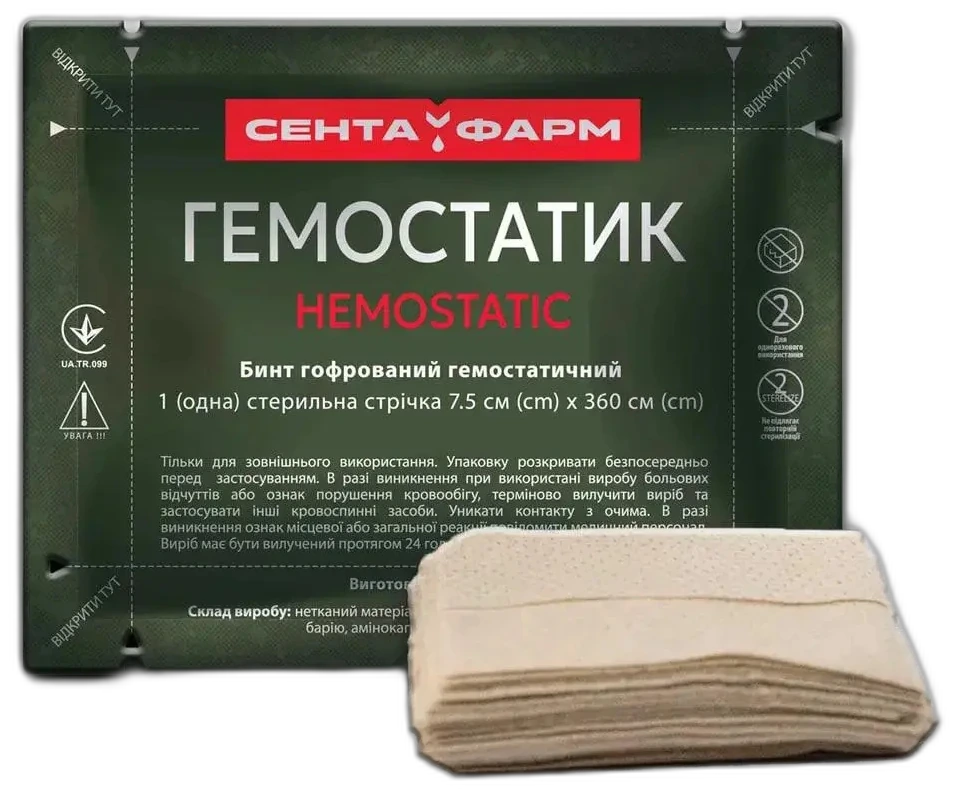
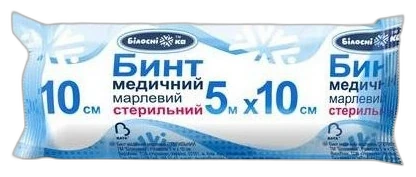
Critical medical equipment for a strike-site, one campaign, operational immediately. Three stop bleeding; tourniquets, hemostatic bandages, chest seals. Two keep a patient alive long enough to evacuate; a portable AED and a handheld ultrasound. Another moves the patient safely; a spinal board and a fixation strap with head immobiliser. Given the environment, drone detectors are included, and absolutely necessary.
The Zero Minute campaign funds a system, standards that stay in service for years. When the campaign closes, every line is procured, photographed, and handed over. Substitutions, if any, are named in the closeout dispatch alongside delivery photographs. Overage funds the next campaign.


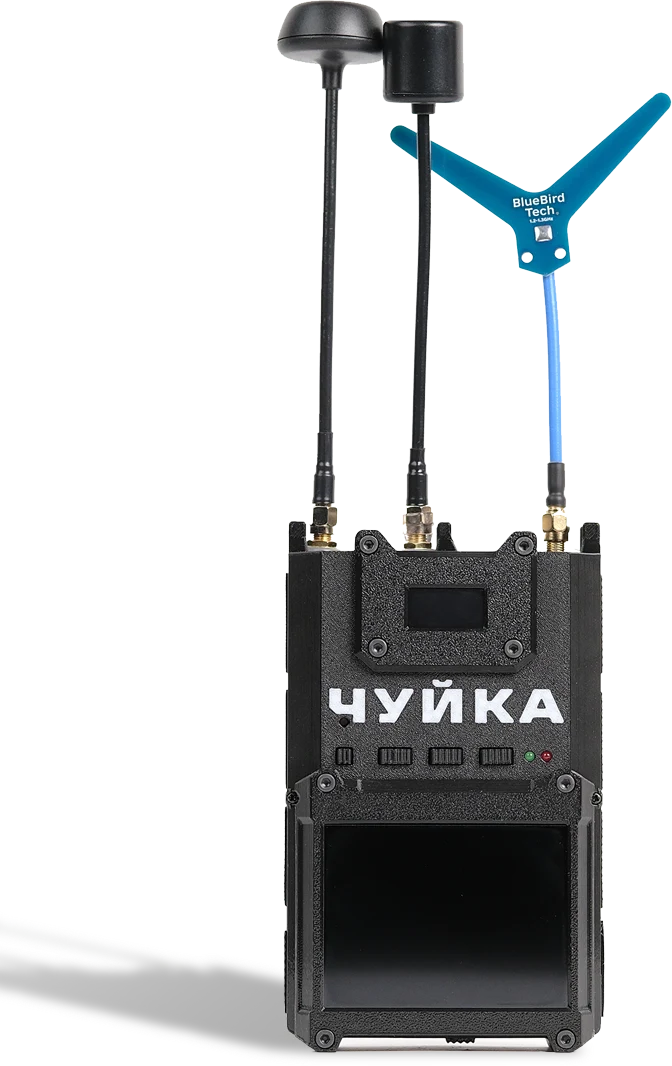 01Electronic-warfare equipment