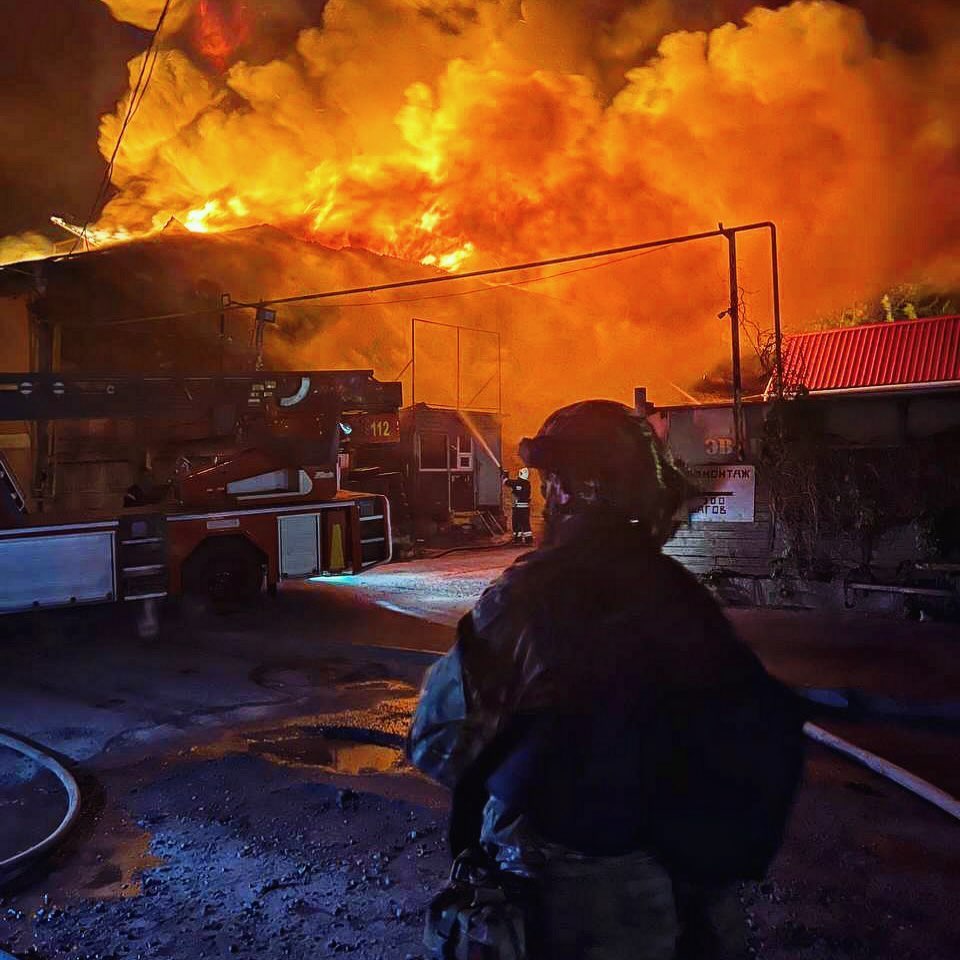
In May the head of Kharkiv's patrol police said Russian FPV drones were hitting civilian cars on the city's ring road more often. Resources ERT's medics drive those roads to reach people after a strike.
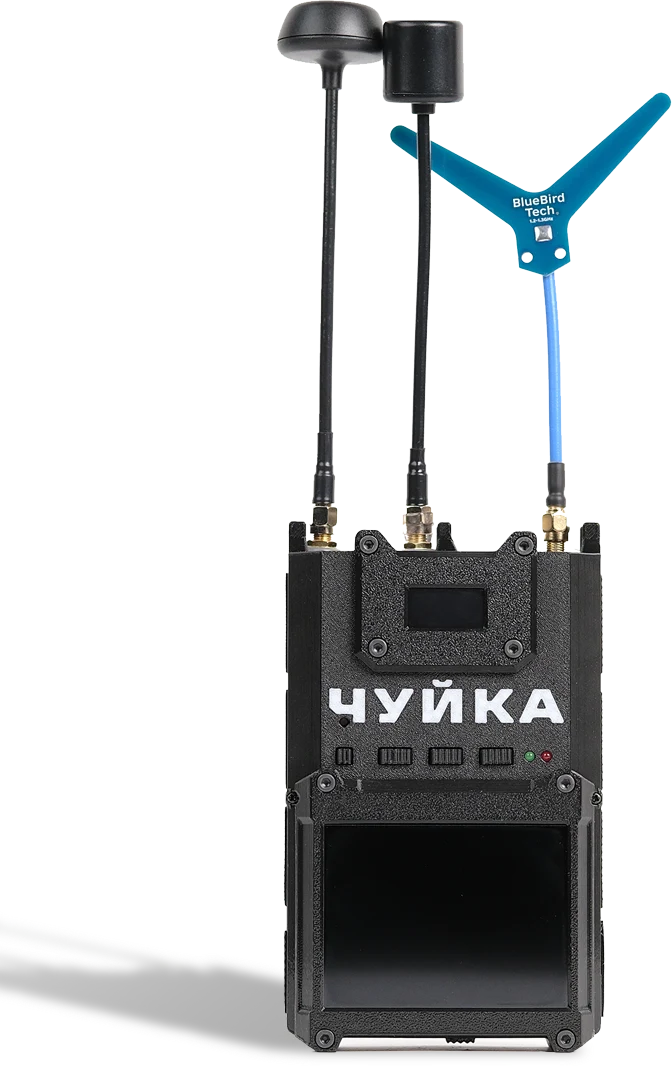
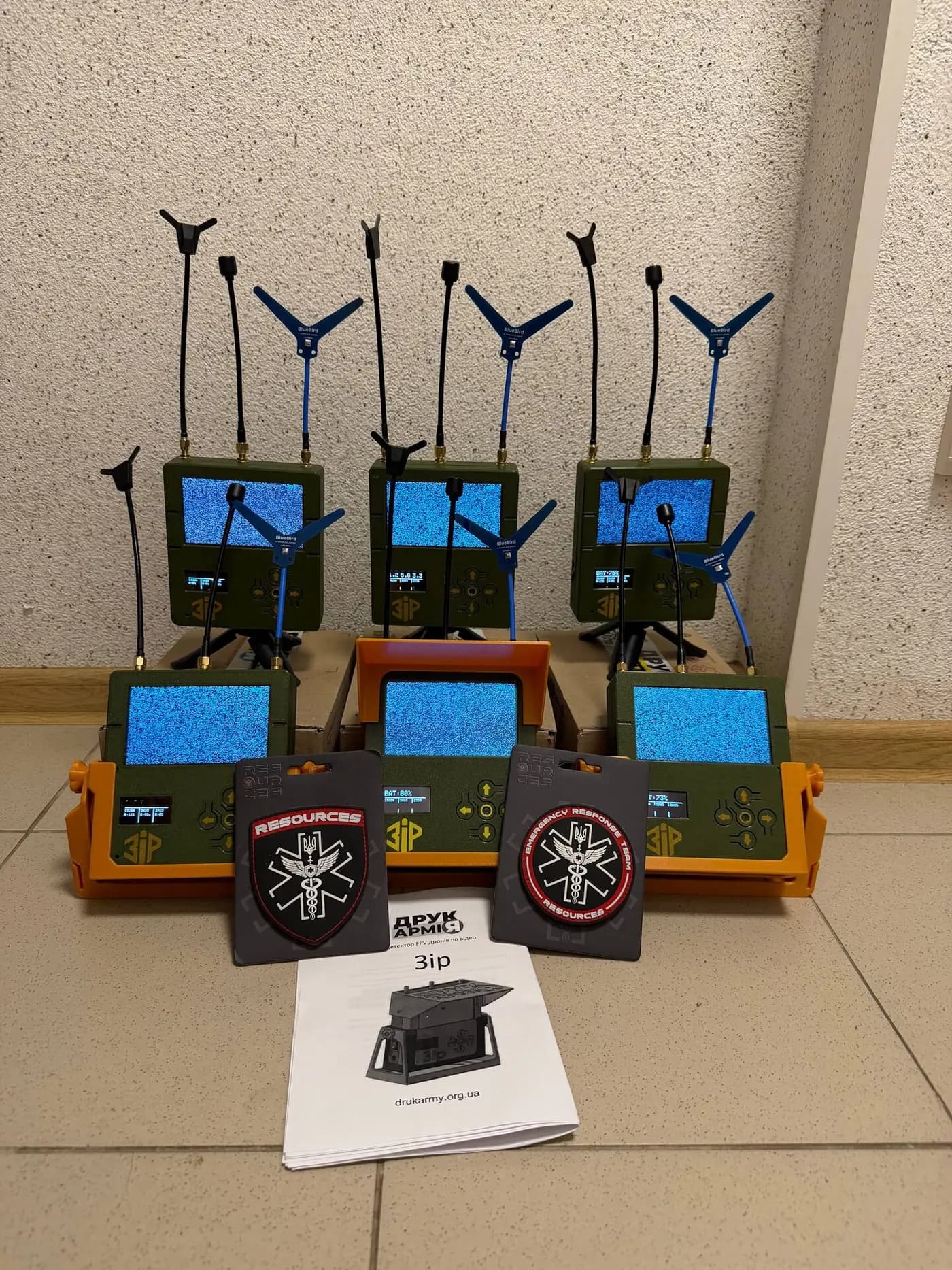
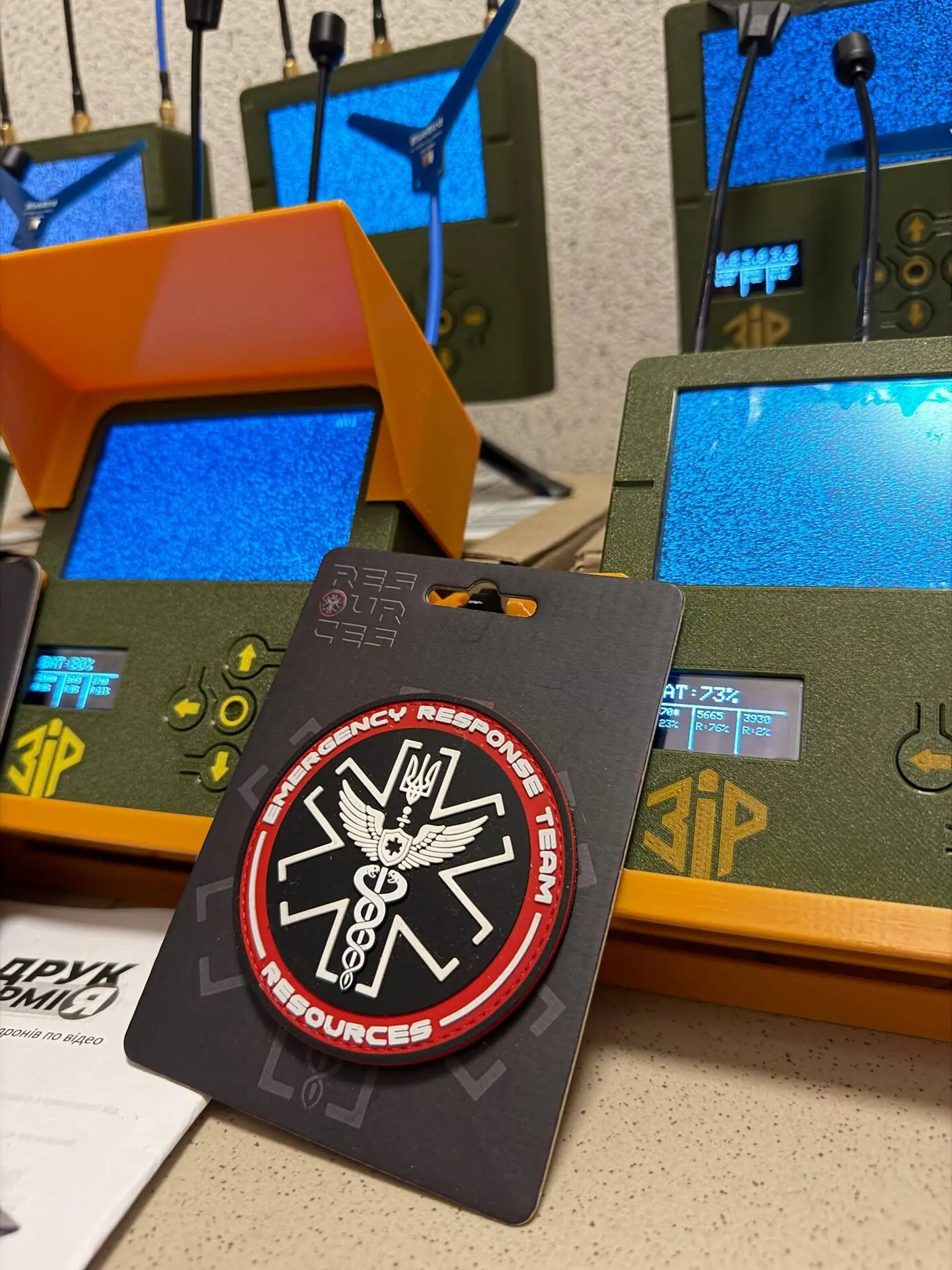
A ZIR detector picks up the video signal a radio-controlled drone sends back to its operator so the crew gets a warning before the drone is close enough to see or hear. It transmits nothing itself. Serhii, the team's founder, had asked for two in May. By the end of June the price hadn't moved, so he asked for six, one for every team vehicle, and Volara moved budget from other lines to cover the extra four. They cost ₴13,250 each, ₴79,500 (€1,557.80) for all six, paid to the maker, a Ukrainian volunteer workshop. The team collected them in the third week of July.
In July the mayor counted 109 attacks on Kharkiv, 51 of them by FPV drones, and said Russia was deliberately targeting civilian cars, bread vans, water delivery vehicles and petrol stations. On 24 July a fibre-optic drone hit a car near Piatykhatky and the driver died; a second car was hit the same day. A fibre-optic drone is controlled through a cable, so radio detectors like the ZIR can't pick it up. Serhii asked the maker if another model could, and the answer was no. The six still warn the crew about radio-controlled drones.
The ones Volara bought fully cover the need… now this is a necessary detector in every team vehicle.
Serhii, founder of Resources ERT
Thank you to everyone who gave.